


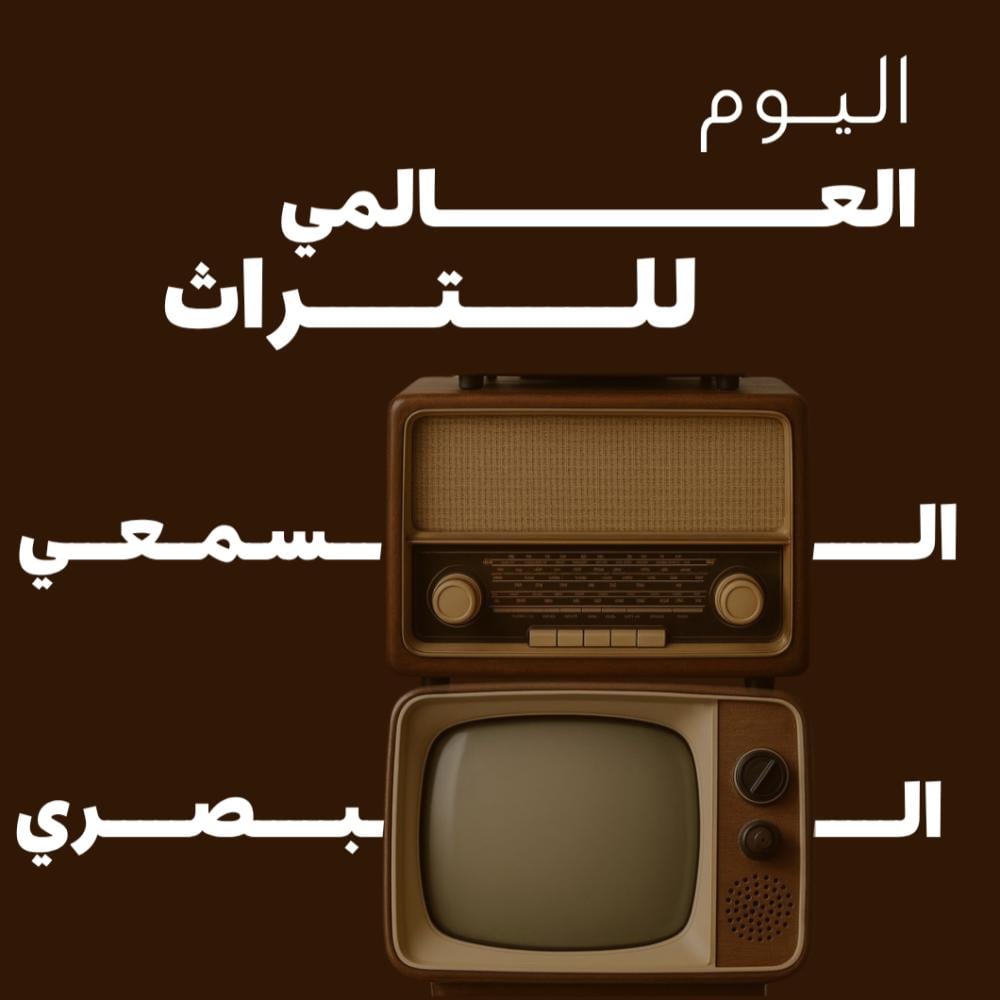
اليوم العالمي للتراث السمعي البصري
التراث السمعي والبصري في المملكة العربية السعودية يُعد ركيزة أساسية للهوية الثقافية، يحمل قصص الشعب السعودي وتاريخه من خلال الأغاني الشعبية، الحكايات الشفوية، الموسيقى التقليدية، الأفلام الوثائقية، والصور الفوتوغرافية التي توثق الحياة الاجتماعية والثقافية في مناطق المملكة. يُحتفل باليوم العالمي للتراث السمعي والبصري في 27 أكتوبر، وهي مناسبة تُسلط الضوء على أهمية هذا التراث كجزء من الذاكرة الجماعية.
أهمية التراث السمعي والبصري السعودي :
يُعد التراث السمعي والبصري السعودي مرآة تعكس تاريخ المملكة وتنوعها الثقافي، وله أهمية كبيرة في عدة جوانب:
- الحفاظ على الهوية الثقافية: يساهم في توثيق العادات والتقاليد السعودية، مثل الرقصات الشعبية (كالعرضة والسامري) واللغات المحلية، مما يعزز الانتماء الوطني.
- التعليم والتوعية: يُعتبر مصدرًا تعليميًا للأجيال الجديدة لفهم تاريخ المملكة، من الحياة البدوية إلى التحولات الحديثة، مما يعزز الوعي بالتنوع الثقافي.
- التوثيق التاريخي: يوفر سجلاً حيًا للأحداث التاريخية، مثل تأسيس المملكة، الحياة في القرى القديمة، والطقوس التقليدية، مما يساعد الباحثين على فهم الماضي.
- الإبداع الفني: يُلهم الفنانين السعوديين لابتكار أعمال جديدة مستوحاة من التراث، مثل الأفلام والموسيقى المعاصرة التي تستند إلى الإرث الثقافي.
أنواع التراث السمعي والبصري السعودي :
- التراث السمعي: يشمل الأهازيج الشعبية مثل "الدحة" و"السامري"، الحكايات الشفوية التي تروي قصص البطولات والحياة البدوية، والأشعار النبطية التي تعكس الفخر والكرم.
- التراث البصري: يتضمن الصور الفوتوغرافية القديمة للأسواق التقليدية (مثل سوق الزل في الرياض)، اللوحات الفنية التي تصور الحياة في الحجاز أو نجد، والأفلام الوثائقية.
- التراث السمعي والبصري المدمج: مثل الأفلام التي توثق الرقصات الشعبية، أو التسجيلات المرئية لمهرجانات مثل "الجنادرية" التي تجمع بين الصوت والصورة.
جهود الحفاظ على التراث السمعي والبصري السعودي :
- الرقمنة: تحويل التسجيلات الصوتية والصور إلى صيغ رقمية، مثل مشاريع مكتبة الملك فهد الوطنية لأرشفة الصور والتسجيلات القديمة.
- إنشاء أرشيفات: إقامة مكتبات رقمية، مثل أرشيف وزارة الثقافة السعودية، لتخزين التراث السمعي والبصري.
- التشريعات: وضع قوانين لحماية حقوق الملكية الفكرية للتراث الثقافي السعودي.
- التوعية: تنظيم فعاليات مثل مهرجان الجنادرية وموسم الرياض لتعريف الجمهور بأهمية التراث.
جهود اليونسكو في الحفاظ على التراث السمعي والبصري:
تلعب اليونسكو دورًا رئيسيًا في دعم الجهود السعودية لحماية التراث السمعي والبصري من خلال:
- برنامج ذاكرة العالم: يهدف إلى توثيق التراث الوثائقي، وقد أُدرجت عناصر من التراث السعودي مثل مخطوطات وتسجيلات تاريخية في هذا السجل.
التراث السمعي والبصري السعودي هو ذاكرة حية تحكي قصة المملكة وشعبها. الحفاظ عليه مسؤولية مشتركة بين الأفراد، المؤسسات الثقافية، والحكومة، خاصة في ظل رؤية المملكة 2030 التي تُعزز الثقافة والهوية الوطنية. من خلال الرقمنة، التوعية، والاستفادة من التكنولوجيا الحديثة، يمكننا ضمان بقاء هذا التراث كجسر يربط ماضي المملكة بمستقبلها، محافظين على تنوعنا الثقافي وذاكرتنا المشتركة
The Saudi Audiovisual Heritage: A Living Cultural Memory
Introduction
The audiovisual heritage of the Kingdom of Saudi Arabia is a cornerstone of its cultural identity, encapsulating the stories and history of its people through folk songs, oral narratives, traditional music, documentaries, and photographs that document social and cultural life across the Kingdom’s regions. Celebrated on October 27, the World Day for Audiovisual Heritage highlights the significance of this heritage as part of our collective memory.
The Importance of Saudi Audiovisual Heritage
Saudi audiovisual heritage serves as a mirror reflecting the Kingdom’s history and cultural diversity, with significant importance in several aspects
1. Preserving Cultural Identity: It documents Saudi customs and traditions, such as folk dances (e.g., Ardha and Samri) and local dialects, reinforcing national pride and belonging
2. Education and Awareness: It provides an educational resource for younger generations to understand the Kingdom’s history, from Bedouin life to modern transformations, enhancing cultural diversity awareness.
3. Historical Documentation: It offers a vivid record of historical events, such as the Kingdom’s founding, life in ancient villages, and traditional rituals, aiding researchers in understanding the past.
4. Artistic Inspiration: It inspires Saudi artists to create new works, such as films and contemporary music, rooted in the cultural legacy
Types of Saudi Audiovisual Heritage
The Kingdom’s audiovisual heritage encompasses diverse forms
- Auditory Heritage: Includes folk chants like “Al-Dahha” and “Al-Samri,” oral stories recounting tales of heroism and Bedouin life, and Nabati poetry reflecting pride and generosity.
- Visual Heritage: Encompasses old photographs of traditional markets (e.g., Souq Al-Zal in Riyadh), paintings depicting life in Hijaz or Najd, and documentaries.
-Combined Audiovisual Heritage: Includes films documenting folk dances or recorded footage of festivals like “Janadriyah,” blending sound and visuals.
Efforts to Preserve Saudi Audiovisual Heritage
Local and international efforts are underway to safeguard this valuable heritage
- Digitization: Converting audio recordings and images into digital formats, such as projects by the King Fahd National Library to archive old photographs and recordings
- Creating Archives: Establishing digital libraries, like the Ministry of Culture’s archive, to store audiovisual heritage
- Legislation: Enacting laws to protect the intellectual property rights of Saudi cultural heritage
- Awareness: Organizing events like the Janadriyah Festival and Riyadh Season to educate the public about the importance of heritage
UNESCO’s Efforts in Preserving Audiovisual Heritage
UNESCO plays a pivotal role in supporting Saudi Arabia’s efforts to protect its audiovisual heritage through:
- Memory of the World Programme: Aims to document heritage, with elements of Saudi heritage, such as historical manuscripts and recordings, included in this register
Conclusion
Saudi audiovisual heritage is a living memory narrating the Kingdom’s story and its people. Preserving it is a shared responsibility among individuals, cultural institutions, and the government, particularly under Saudi Vision 2030, which promotes culture and national identity. Through digitization, awareness, and modern technology, we can ensure this heritage remains a bridge connecting the Kingdom’s past to its future, preserving our cultural diversity and collective memory